
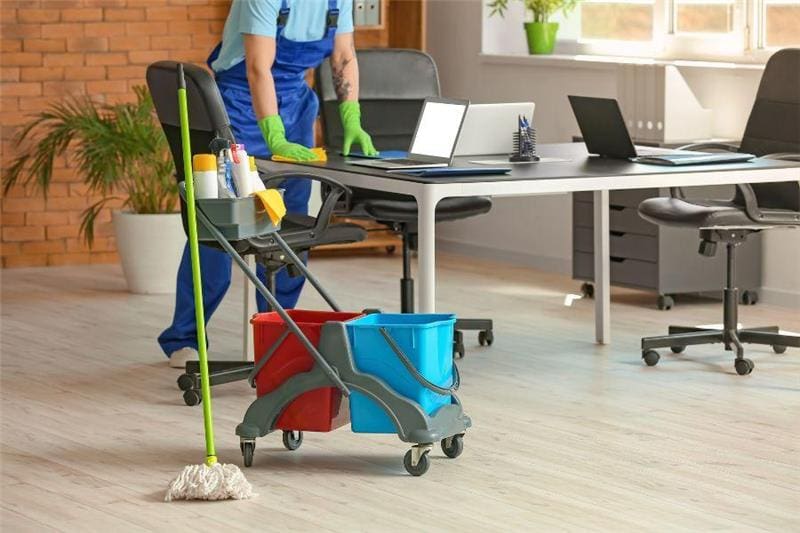
Employee wellbeing has emerged as a critical aspect of creating a productive and positive workplace. Employers are increasingly recognizing the importance of fostering a clean work environment to promote employee health and happiness. Let’s explore the impact of a clean work environment on wellbeing in the workplace, especially the significance of cleanliness and hygiene in creating a harmonious and thriving professional atmosphere.
The Link Between Cleanliness and Wellbeing
A clean workplace goes beyond mere aesthetics; it plays a pivotal role in maintaining a healthy and productive working environment. Research has shown that a cluttered and dirty workspace can negatively affect an individual’s physical and mental health. Also, a clean and organised workplace can contribute to improved productivity and satisfaction. Let’s delve into the ways in which cleanliness influences different aspects of workplace wellbeing.

Physical Health and Cleanliness
A clean work environment is crucial for maintaining optimal physical health among employees. Regular cleaning and proper sanitation practices help reduce the risk of illness and the spread of germs. Bacteria can thrive in enclosed office environments as high numbers of people spend most of the day there. Overflowing bins, food debris lying around and cluttered conditions can all encourage pests including flies, other insects, and even mice and rats into the workplace – a huge health hazard. When employees feel safe and protected from potential health risks, they are more likely to experience improved physical health and fewer sick days. Moreover, a clean workplace promotes good hygiene practices, such as handwashing and proper waste disposal, which further contribute to overall physical wellbeing. Keeping areas tidy and free of obstructions is also essential for fire safety, especially in corridors and near exits. Having excess clutter around, especially cardboard boxes and paper, could constitute a fire hazard.

Mental Health and Cleanliness
The state of our surroundings can significantly impact our mental health. A cluttered and untidy workspace can induce feelings of stress, anxiety, and a sense of overwhelm. Mental health problems are one of the leading causes of staff absenteeism. On the contrary, a clean and organised work environment promotes a sense of calmness and tranquillity. By reducing visual distractions and providing a sense of order, cleanliness can enhance focus, concentration, and overall mental wellbeing. Employees are more likely to feel motivated and inspired when their work environment is clean and inviting.

Productivity and Cleanliness
A clean work environment can have a direct influence on employee productivity. Studies have consistently shown that a well-maintained workspace positively correlates with increased efficiency and output. Having to work in an untidy space means that short tasks may take longer, and larger projects can be significantly delayed due to misplaced important documents, time wasted trying to find things or other annoying problems. A clutter-free and organised environment minimises distractions, allowing employees to focus on their tasks and projects. Moreover, cleanliness promotes a sense of professionalism and pride in one’s work, further motivating people to perform at their best. By investing in cleanliness, employers can create an environment that fosters high levels of productivity and job satisfaction.

Workplace Morale and Cleanliness
It’s not just customers that appreciate it when your premises are clean and tidy. Cleanliness affects the overall morale and atmosphere within the workplace. A clean and well-maintained environment demonstrates that employers care about their employees’ comfort and satisfaction. This cultivates a positive company culture, fostering a sense of camaraderie and teamwork and even decreases staff turnover. When employees feel valued and supported, workplace morale improves, leading to better cooperation, communication, and overall job satisfaction.

Creating a Clean Work Environment
To enhance wellbeing in the workplace through cleanliness, employers can implement a few key practices. These simple actions can revolutionise your workplace and make it a more positive, productive environment.

Regular cleaning and maintenance
Establish a cleaning schedule to ensure workspaces are regularly cleaned and maintained. This includes dusting, vacuuming, and disinfecting surfaces to maintain hygiene standards. Regular cleaning practices prevent the spread of germs, and create a healthier work environment. Give your employees more autonomy over the cleanliness of their working environment – provide easy access to cleaning products and equipment so that employees can take action to clean their working areas, and tackle everyday accidents like coffee spills. This counts for outdoor areas also – install outdoor rubbish bins and ensure there is somewhere safe to dispose of cigarette ends in smoking areas. Ensure often-forgotten areas like corridors or storage areas are cleaned regularly too.

Clear desk policy
Encourage employees to keep their desks clean and clutter-free. Provide storage solutions and encourage the use of digital tools to reduce physical paperwork. A clutter-free and organised workspace reduces visual distractions and creates a sense of order. This promotes focus, concentration, and a calm state of mind. When employees are not overwhelmed by a messy environment, they can channel their energy into their tasks, leading to increased productivity and job satisfaction.

Proper waste management
Proper waste management is crucial in maintaining cleanliness. Employers should establish an efficient waste disposal system, including recycling bins and proper handling of hazardous materials. Encourage employees to dispose of waste responsibly. By encouraging responsible waste management practices, employers contribute to a cleaner and more sustainable work environment. You can cut down on waste by providing reusable coffee cups, glasses and plates to stop single-use rubbish from piling up.

Hygiene reminders
Display reminders about good hygiene practices, such as handwashing and proper use of hand sanitizers. Promote a culture of cleanliness and educate employees about the importance of maintaining a clean work environment. Employers can also provide educational resources and training on the importance of maintaining a clean work environment to raise awareness and encourage active participation.
A clean work environment is vital for enhancing wellbeing in the workplace. From physical wellness to mental health, cleanliness plays a significant role in creating a positive and productive atmosphere. By prioritising cleanliness, employers can contribute to the overall happiness and satisfaction of their employees. Implementing regular cleaning practices, promoting organisation, and fostering a culture of cleanliness, all can create an environment that enhances overall wellbeing in the workplace. A clean work environment is not only visually appealing but also contributes to physical health, mental wellbeing, productivity, and positive workplace morale.
Before you go…
While it goes without saying that a workplace’s cleanliness impacts employee health and well-being, maintaining a clean work environment can be difficult. One sure way to ensure your work environment is consistently clean and tidy is by outsourcing your cleaning to a trusted cleaning company like Unique Cleaning Group. Speak to our friendly team today on 01242 339099 to discover how we can help or request a quote here.



Recent Comments